Fire Hydrant Systems for Commercial Buildings: Maintenance Basics
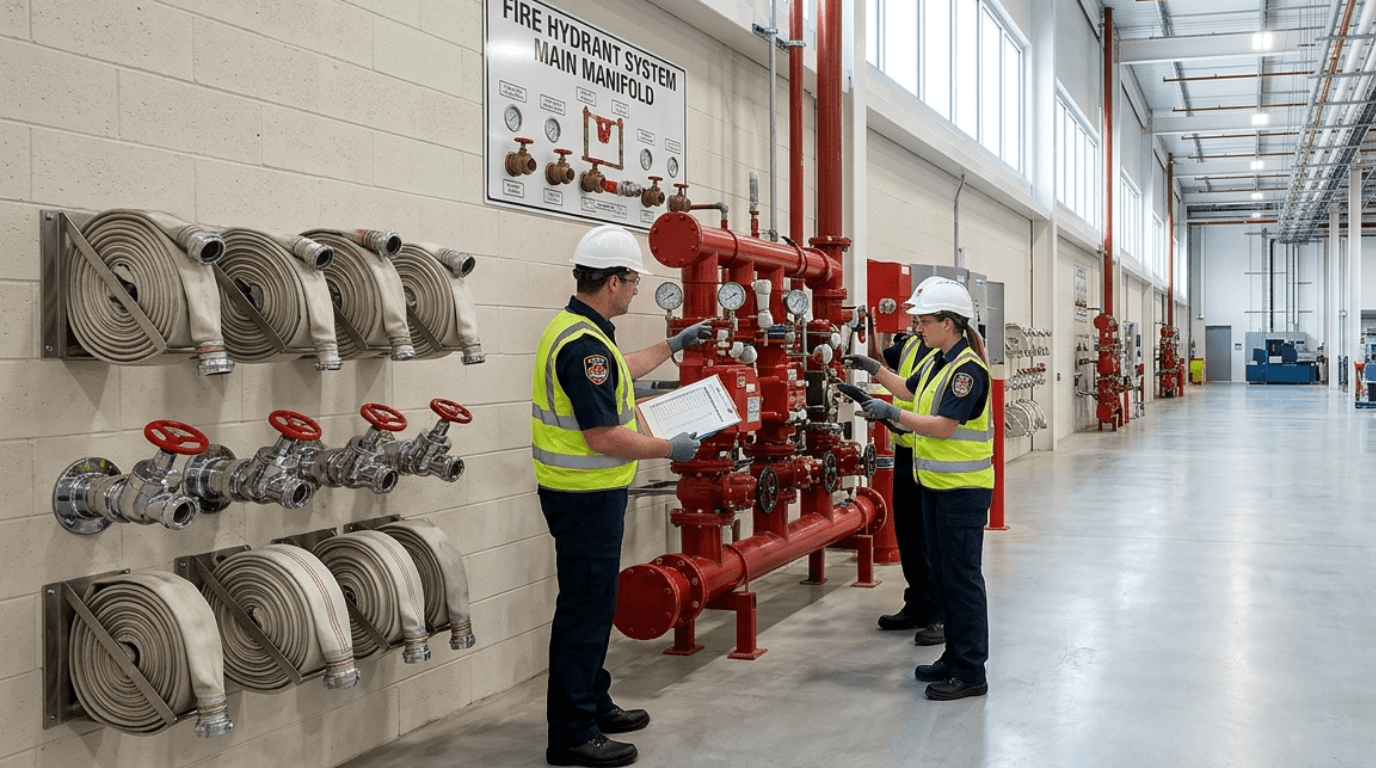
A fire hydrant system that has not been properly maintained can fail exactly when it is needed most, which is why fire hydrant system maintenance deserves far more attention from facility managers than the annual compliance inspection it often gets reduced to. This guide covers what a proper maintenance routine actually involves and how it ties into broader compliance requirements for commercial buildings.
Why Regular Maintenance Cannot Be an Annual Afterthought
Fire hydrant systems sit unused for long stretches between actual emergencies, which means components like valves, hoses, and pressure gauges can degrade quietly without anyone noticing until the system is actually called into service during a real fire. Corrosion, seal degradation, and pressure loss are common issues that develop gradually, which is exactly why waiting for a single annual inspection rather than maintaining a more frequent, ongoing schedule leaves considerable room for a critical failure to go undetected for months.
Commercial fire hydrant checklist practices generally recommend monthly visual inspections alongside more thorough quarterly and annual testing, since visible issues like leaks, physical damage, or obstruction around the hydrant itself can often be caught early through simple, frequent visual checks that do not require specialised testing equipment.
Building a Practical Maintenance Checklist
Maintaining fire hydrant systems properly involves checking that the hydrant is physically accessible and unobstructed by parked vehicles, storage, or landscaping growth, confirming that valve caps turn freely without excessive force, and inspecting hose connections for wear, cracking, or corrosion that could compromise a proper seal under pressure. Pressure testing, typically done annually by a qualified technician, confirms the system can actually deliver adequate water flow and pressure when needed, which is something a purely visual inspection cannot verify on its own.
Documentation of every inspection and any maintenance action taken should be kept on file, both for internal tracking and because this record becomes essential during any compliance audit or insurance review following an incident.
|
Maintenance Task |
Frequency |
Purpose |
|
Visual inspection |
Monthly |
Catch obstruction, visible damage early |
|
Valve and connection check |
Quarterly |
Confirm mechanical function |
|
Full pressure test |
Annually |
Verify actual water delivery capability |
[custom_form_block title="Schedule your compliance audit"]
Hydrant System Compliance India Requirements
Hydrant system compliance India regulations generally fall under the National Building Code alongside state-specific fire safety rules, both of which typically specify minimum inspection frequency, required documentation, and technical standards for hydrant system components in commercial buildings. Facility managers should confirm the specific requirements applicable to their building's occupancy type and location, since requirements can vary by state and by how the building is classified under local fire safety regulations.
According to the Bureau of Indian Standards' fire safety codes, hydrant systems in commercial and high-occupancy buildings are subject to specific installation and maintenance standards that facility teams should review periodically, since these standards are updated from time to time and compliance obligations can shift as a result.
Common Issues Found During Inspections
Corroded or seized valves are among the most frequently discovered issues during hydrant inspections, often the result of infrequent use combined with environmental exposure over months or years without any maintenance attention. Low or inconsistent water pressure is another common finding, sometimes traced back to an issue elsewhere in the building's water supply system rather than the hydrant itself, which is why a full pressure test conducted by a qualified technician is more reliable than assuming a hydrant is functional simply because it looks intact on visual inspection.
Addressing these issues as soon as they are identified, rather than deferring repairs to the next scheduled inspection cycle, is a straightforward way to keep a building's fire safety infrastructure genuinely ready rather than only appearing compliant on paper.
Building a Sustainable Maintenance Program
Assigning clear ownership of the maintenance schedule to a specific facility team member, rather than leaving it as a loosely tracked responsibility, considerably reduces the chance of missed inspections falling through the cracks amid other competing facility priorities. Partnering with a qualified fire safety service provider for the more technical annual testing, while handling monthly visual checks internally, is a practical way to balance cost and compliance rigor for most commercial buildings managing this responsibility on an ongoing basis.