Fire Risk Assessment Basics for Small Businesses Without a Safety Officer
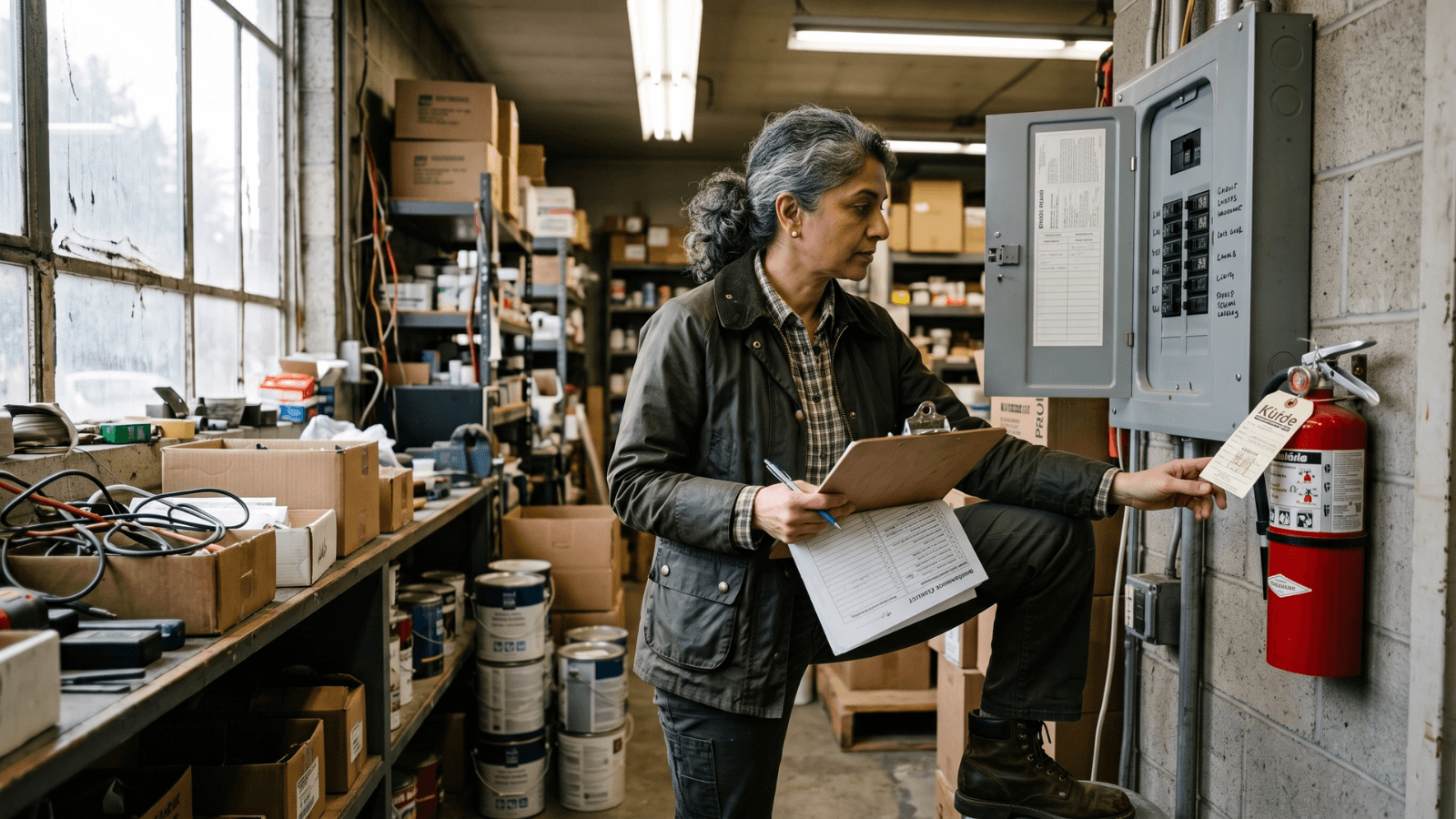
Large factories and IT parks usually have a dedicated safety officer whose entire job is spotting fire hazards before they become emergencies. Most small businesses do not have that luxury. A shop owner, a restaurant manager, or a small office administrator often ends up responsible for fire safety alongside a dozen other duties, with no formal training to fall back on. The good news is that a basic fire risk assessment does not need a certification to get started. It needs a clear method and a willingness to look at your own space honestly.
What a Fire Risk Assessment Actually Covers
At its core, a fire risk assessment answers three questions. What could start a fire in this space, what could help it spread, and what would happen to the people inside if it did. This is not about ticking a compliance box once a year. It is a working document that should change as your business changes, whether that means new equipment, a change in floor layout, or a new storage area for stock.
Walking Your Premises Like an Inspector Would
Start by walking through your premises slowly, ideally at a time when it mirrors normal business hours rather than an empty shop after closing. Look at electrical panels and extension boards for overloading or exposed wiring. Check where flammable materials such as packaging, cleaning chemicals, or cooking oil are stored, and whether they sit anywhere near a heat source. Pay attention to exits too. A fire escape blocked by stacked boxes or a locked back door defeats the purpose of having an exit at all.
Documenting What You Find
You do not need a complicated template to record your findings. A simple table listing each area you checked, what hazard you found, and what you plan to do about it is enough for a small business. What matters is that the document exists, that it gets reviewed periodically, and that action items actually get closed out instead of sitting on a list indefinitely.
|
Area Checked |
Common Hazard Found |
Quick Fix |
|
Electrical panels |
Overloaded sockets, loose wiring |
Redistribute load, get wiring inspected |
|
Storage rooms |
Flammables stored near heat sources |
Relocate materials, add ventilation |
|
Exit routes |
Blocked or locked emergency exits |
Clear pathways, keep exits unlocked during hours |
Basic Equipment Every Small Business Needs
Even without a safety officer, every commercial space should have at least one correctly rated fire extinguisher within easy reach of high risk areas such as the kitchen or the electrical panel. The extinguisher type matters here, since a water based extinguisher used on an electrical fire can make things considerably worse. A basic fire suppression setup suited to small offices and shops does not need to be expensive, but it does need to match the specific risks present in your space.
Training Your Team Without a Formal Program
Staff do not need a full certification course to know the basics. A short, informal session covering where extinguishers are kept, how to use one, and the fastest route out of the building covers most of what matters in an actual emergency. Repeating this briefly every few months, especially when new staff join, keeps the information from fading into the background.
Knowing When to Bring in a Professional
A self led assessment is a strong starting point, but it is not a permanent substitute for a professional audit, particularly for businesses handling food service, chemicals, or large footfall. Sourcing the right fire suppression equipment for your premises is a good first step, and pairing that with published national guidance such as the fire safety resources from the National Disaster Management Authority gives small business owners a solid, low cost baseline before calling in a certified auditor for the gaps a self assessment cannot fully close.