Fire Safety Certifications to Look For When Buying Equipment
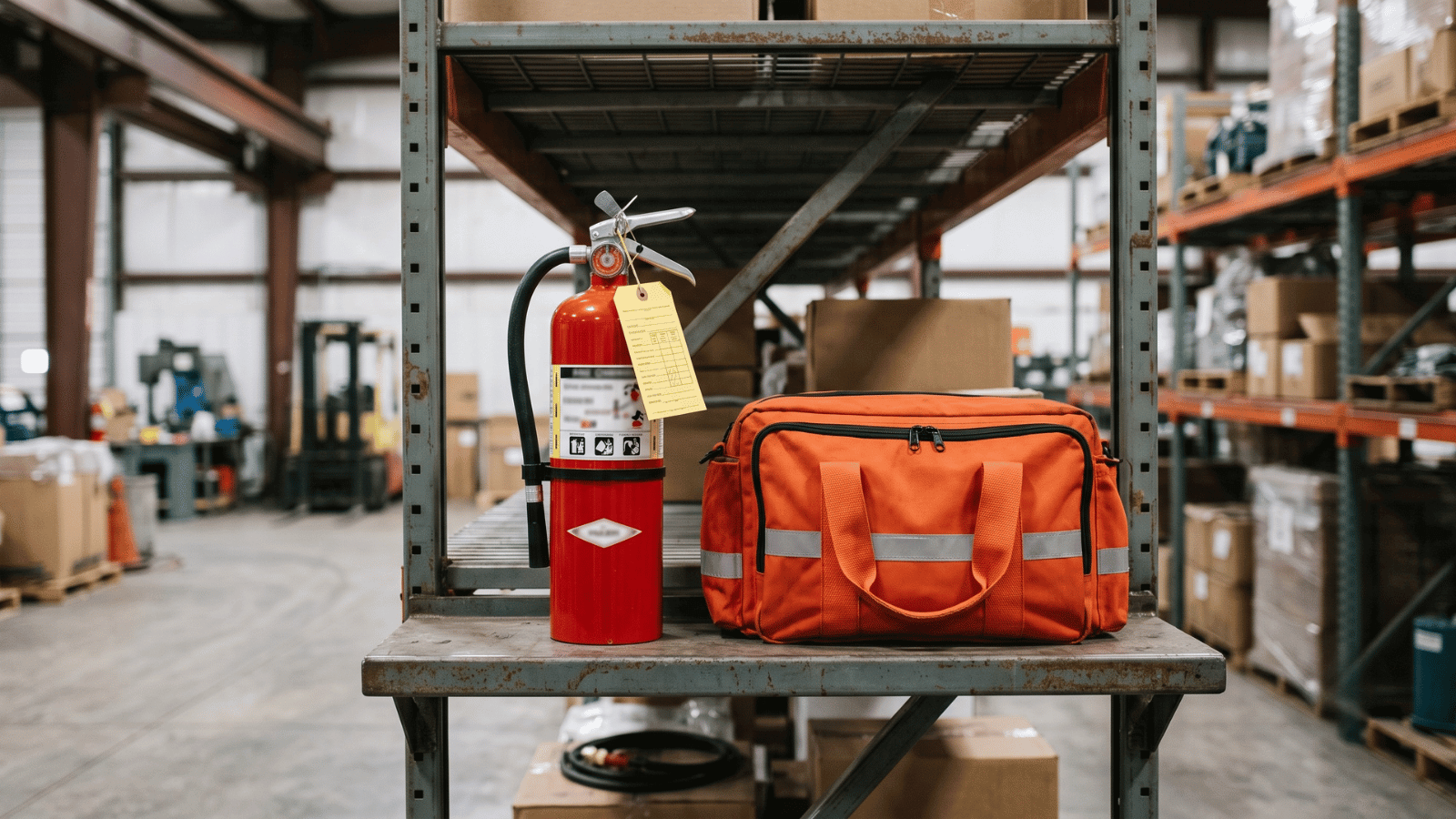
Fire safety equipment is one of the few procurement categories where a wrong purchase decision has consequences well beyond wasted budget. A facility manager buying extinguishers, suppression kits, or safety signage on price alone can end up with equipment that looks compliant on the shelf but fails to meet the actual standard required for the space it protects. Certification is the one detail that separates a genuinely compliant product from one that simply resembles it.
Why Certification Claims Need Verification, Not Trust
Fire safety products sold in India are expected to carry an ISI mark issued under the Bureau of Indian Standards, which confirms the product has been tested against the relevant national standard for that equipment type. The mark itself is easy to print on packaging, which is exactly why procurement teams should verify the licence number against the Bureau of Indian Standards database rather than accepting the mark at face value. A quick licence check takes a few minutes and avoids the far larger cost of discovering a certification issue during an audit or, worse, during an actual emergency.
What to Check Beyond the ISI Mark
The ISI mark confirms baseline compliance, but institutional buyers should also ask for the specific standard number the product was tested against, since fire equipment categories span multiple standards depending on suppression agent type and intended use. A fire extinguisher rated for electrical fires needs a different standard than one rated for flammable liquids, and using the wrong type in the wrong setting is a common and preventable safety gap.
|
Document to Request |
What It Confirms |
Why It Matters |
|
ISI Licence Number |
Product tested against national standard |
Confirms baseline compliance, verifiable online |
|
Test Report or Standard Number |
Specific fire class the product is rated for |
Prevents using wrong extinguisher type for the risk |
|
Manufacturing and Expiry Date |
Suppression agent is within usable life |
Expired agents may not discharge or suppress correctly |
Building This Into a Vendor Checklist
Rather than verifying certification on a purchase by purchase basis, it is more efficient to build the check into a standing vendor evaluation checklist used before a supplier is approved at all. Once a vendor has been verified, subsequent orders only need spot checks on batch or lot numbers rather than a full re-verification each time, which keeps procurement moving without skipping the safety step.
- Request the ISI licence number and verify it independently rather than trusting the printed mark alone
- Confirm the specific fire class rating matches the risk profile of the space being protected
- Check manufacturing and expiry dates on suppression agents before installation, not after
- Keep a record of verified vendors so repeat orders do not need a full re-check each time
Where Institutions Commonly Go Wrong
The most frequent gap is not fraudulent certification but mismatched application, buying a general purpose extinguisher for a server room or kitchen where a specialised suppression agent is actually required. This is less about the vendor misleading the buyer and more about the buyer not specifying the fire class and environment clearly enough at the point of order. A short internal note describing the space, its typical fire risk, and any sensitive equipment nearby, shared with the vendor before ordering, resolves most of these mismatches before they become a problem.
For institutions building out a compliant fire safety setup, reviewing the current range of fire suppression products alongside the checklist above is a reasonable way to shortlist equipment that matches both certification requirements and the specific risk profile of each space on your premises.