Recycled A4 Copier Paper: Does It Actually Perform Like Regular Paper
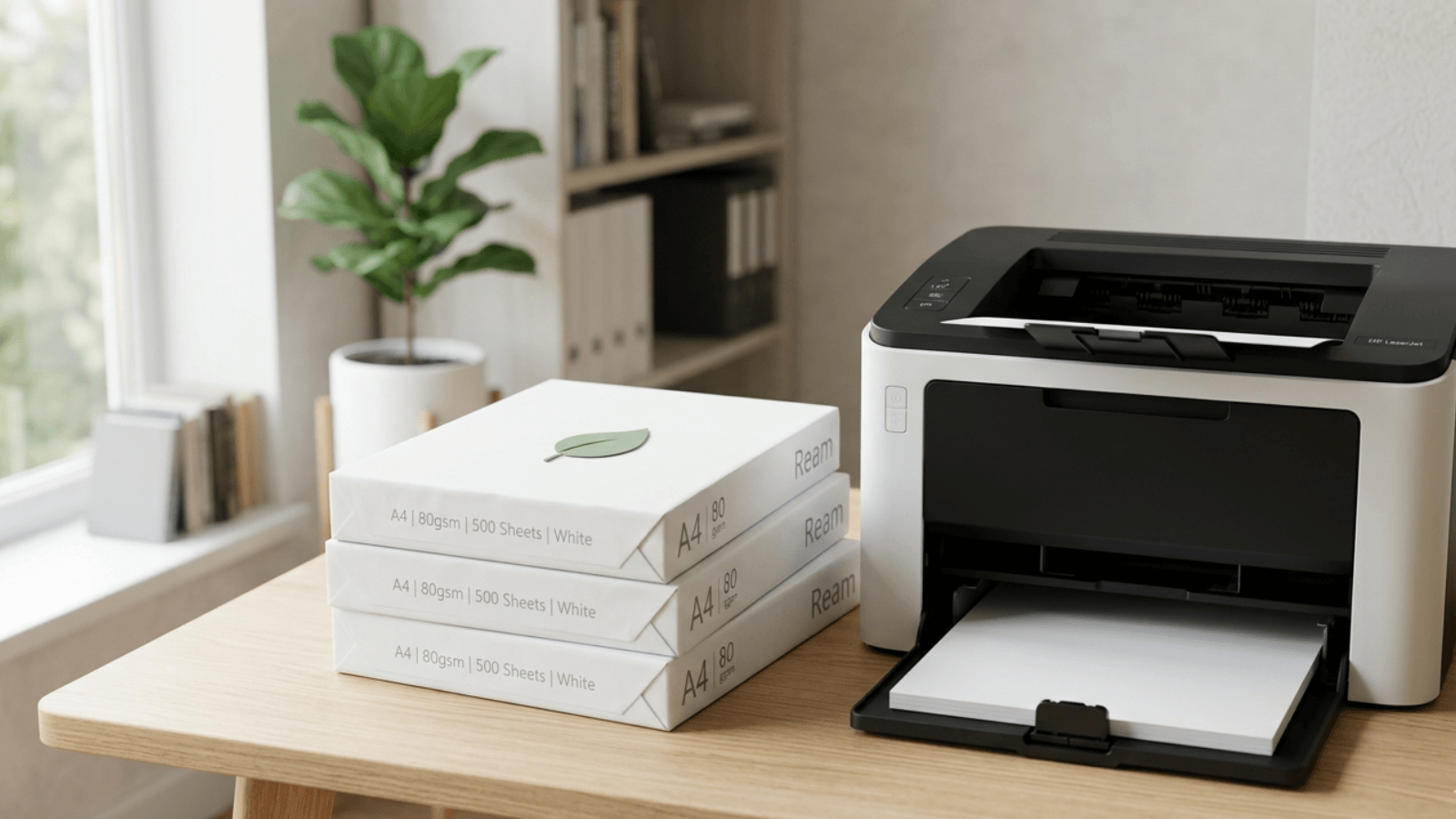
Procurement teams switching to recycled copier paper almost always ask the same question before placing a bulk order: will it actually run through our printers and copiers without jamming, and will the print quality hold up next to the paper we are used to. It is a fair question, because recycled paper carried a real reputation problem for decades. Older recycled stock was often greyish, dust prone, and unreliable in high speed office equipment. That reputation has not fully caught up with where the product actually stands today, and it is worth separating old assumptions from current performance before making a switching decision for an entire office or school.
Dhuriyam's Ecosphere A4 copier paper is built specifically to answer this question for Indian offices and schools, and this piece walks through what actually changes when you switch from virgin paper to a modern recycled 80 gsm sheet, and where any real trade-offs still exist.
What Actually Changed in Recycled Paper Manufacturing
The gap between recycled and virgin paper has narrowed significantly over the past decade. A widely cited industry comparison on recycled paper performance notes that modern recycled stock now meets the same technical specifications as virgin paper and runs on demanding copiers and office machines without special handling. This is a meaningful shift from the brittle, uneven recycled paper many procurement managers still remember from years ago. Better deinking processes, improved fiber sorting, and more consistent pulp blending have closed most of the gap that used to exist between the two.
That said, it would be inaccurate to claim there is zero difference. Recycled fibers are shorter than virgin wood fibers because they have already been through one or more processing cycles, and shorter fibers can affect strength and brightness at the margins. For everyday office printing, invoices, internal memos, worksheets, and reports, this difference is rarely noticeable to the end user. For applications demanding very high resolution photo printing or premium presentation finishes, virgin or blended paper may still hold a slight edge.
Print Quality: What to Expect Sheet by Sheet
- Ink absorption: a well made recycled 80 gsm sheet holds ink evenly, with minimal bleed through for standard laser and inkjet printing.
- Brightness: quality recycled paper today is available in bright white finishes, closing a gap that used to be the biggest visible difference.
- Jam resistance: consistent sheet thickness and moisture content matter more than fiber origin for jam frequency in most office printers.
- Double-sided printing: look for opacity ratings on the pack, since thinner recycled stock can occasionally show slight ghosting on the reverse side.
For most schools and offices running standard laser printers and photocopiers, a good quality recycled A4 sheet performs close enough to virgin paper that staff rarely notice the switch once it happens. The bigger practical difference tends to show up in bulk handling and storage, not in what comes out of the printer tray.
Where the Trade-offs Genuinely Show Up
Being transparent about limitations helps procurement teams set the right expectations before a large order goes out.
|
Factor |
Recycled Paper Reality |
|---|---|
|
Very high resolution photo printing |
Virgin or coated stock still has a slight edge for premium finishes |
|
Extremely humid storage conditions |
Fiber blend and packaging quality matter more than paper origin here |
|
Everyday office and school printing |
Performance is close to indistinguishable for the average user |
Why Fiber Length Matters More Than Most Buyers Realise
Paper strength and texture come down largely to fiber length, and this is the one area where recycled and virgin paper genuinely differ at a structural level. Every time wood pulp fiber goes through a recycling cycle, it shortens slightly, since the mechanical and chemical processing involved in breaking down used paper is not gentle on the cellulose structure. Virgin fibers, fresh from wood pulp, are longer and have not been weakened by a prior processing cycle, which is why they tend to produce a smoother, slightly more durable sheet in side by side comparisons.
In practice, most commercial recycled paper today blends a portion of virgin fiber back in specifically to offset this shortening effect and maintain structural integrity. This blending is exactly why the performance gap has narrowed so much compared to the fully recycled, no-blend paper that was common in the past. A well engineered 80 gsm recycled sheet with the right fiber blend can hold up through a standard office copier for years of regular use without showing the fragility that older recycled paper was known for.
How Recycled Paper Performs Across Different Machines
Not every printer or copier behaves identically with recycled stock, and this is worth understanding before a full office switch. Older copier models with tighter paper path tolerances can sometimes be more sensitive to minor thickness variation, which is more common in recycled sheets than in tightly controlled virgin paper production. Newer laser printers and multifunction copiers, built with more forgiving paper handling mechanisms, generally show little to no difference in jam frequency between recycled and virgin stock.
- Laser printers: generally handle recycled 80 gsm paper without adjustment, since toner fusing is less sensitive to fiber origin than ink absorption is.
- Inkjet printers: slightly more sensitive to paper opacity and absorption rate, so checking the opacity rating on the pack helps avoid ghosting on double sided prints.
- High-volume photocopiers: benefit from consistent ream quality and proper humidity controlled storage more than from fiber origin specifically.
For offices running a mix of older and newer machines, the safest approach remains the same one recommended throughout this piece: run a modest trial batch through every machine type in use before switching the entire paper order over.
Comparing Cost Against Long-Term Value
Recycled paper is sometimes priced slightly higher than the cheapest virgin options available in bulk, largely because deinking and reprocessing add extra manufacturing steps. Institutions that buy in volume, schools, colleges, and large offices, often find that the price gap narrows considerably once you account for standardised bulk pricing and the sustainability reporting benefits that come with switching an entire procurement line to recycled stock. For organisations tracking environmental compliance or preparing sustainability disclosures, a documented switch to recycled paper across the copier fleet is also a straightforward, low effort win to report.
What Sustainability Certifications Actually Confirm
Recycled paper packs often carry certification labels indicating post-consumer waste content or chain of custody standards. These labels matter more than they might seem at first glance, since they are the only verifiable way to confirm what percentage of a ream actually comes from recycled material versus how much is virgin fiber blended in for strength. Procurement teams evaluating multiple recycled paper suppliers should ask directly for the post-consumer content percentage rather than accepting a general eco friendly label, since standards and disclosure practices vary quite a bit between manufacturers.
This detail becomes especially relevant for institutions that need to report sustainability metrics to a parent organisation, a school board, or a corporate compliance function. A clearly documented recycled content percentage is easy to cite in that kind of reporting, while a vague eco claim without backing numbers tends to get flagged during any serious audit.
A Simple Way to Test Before Committing to a Bulk Order
Rather than switching an entire office in one go, most procurement managers find it useful to run a small trial ream through the actual printers and copiers already in use, across both single sided and double sided settings, before placing a bulk order. This surfaces any jam or ghosting issues specific to your existing hardware early, rather than after a large shipment has already arrived. It also gives staff a chance to compare print output side by side with the paper they are replacing, which tends to settle the performance question faster than any spec sheet can.
Recycled A4 copier paper has genuinely closed most of the performance gap that used to justify sticking with virgin stock by default. For day to day office and school printing, the eco stationery range is worth a trial run alongside whatever paper your office currently uses, so the decision is based on how it actually performs on your machines rather than on old assumptions about recycled paper quality.